

Talk about online slots such as Book of Ra Deluxe often revolves around free spins and bonus rounds https://slotbookof.com/ra-deluxe/. But underneath the spinning reels, a stringent security system is continuously working. In the UK, every licensed slot machine, including this well-known one, operates under a tight regulatory net aimed at stopping financial crime. These measures are far from a box-ticking exercise. They are fundamental to keeping the gaming environment safe and fair for all.
Anti-money laundering, or AML, rules originate from the UK Gambling Commission. They govern every operator providing for British players. So while Book of Ra Deluxe is a game of luck, the website or app hosting it must incorporate serious checks. This system safeguards the game’s integrity. More broadly, it assists stopping criminals from misusing the financial system.
For players, grasping these measures sheds light on the verification steps we all face. It demonstrates why providing a copy of your driver’s licence is needed, and how it assists in establishing a safe space for everyone. The aim is clear: to let entertainment, such as hunting for treasures in an Egyptian-themed slot, remain just that. Fun, without any association to illegal money.
The British Regulatory Basis: The Gambling Regulator
The UK Gambling Commission is among the toughest gambling watchdogs anywhere. Its licensing rules and codes of practice have the force of law for operators. A key part of this regulation is combating money laundering and terrorist financing. The Commission’s work ties directly into UK law, particularly the Money Laundering, Terrorist Financing and Transfer of Funds Regulations.
In practical terms, any casino site providing Book of Ra Deluxe to UK players is required to hold a UKGC license and comply with these rules to the letter. The Commission can impose heavy fines, suspend licenses, or even pursue criminal charges if AML controls fail. This threat compels operators take compliance seriously, weaving security into their everyday operations.

For a game like Book of Ra Deluxe, this regulatory cover is essential. It means the slot is only available on platforms checked for fairness and financial honesty. The random number generator behind the game’s spins undergoes testing for fairness. The money moving around the game gets the same level of scrutiny. This twin focus is what sets the UK market apart.
Fundamental AML Principles Implemented to Gaming Platforms
The battle against money laundering in gambling is based on three well-known principles. These constitute the “Know Your Customer” or KYC framework. They are not just for banks. Online casinos implement them aggressively. Applying them creates several obstacles for criminals, making a gaming site a weak choice for cleaning dirty money.
Operators must start with Customer Due Diligence. This is the identity check we all complete when signing up or making a first deposit. Next, they have to monitor customer activity continuously, searching for patterns that stray from normal gaming behaviour. Finally, they have to keep precise, thorough records of all transactions and checks for authorities to review if needed.
These principles convert an anonymous online action into a named and tracked event. When someone deposits money to play Book of Ra Deluxe, the platform has to know who that person is, where their cash came from, and whether their play appears as someone having fun. This layered method makes it very hard to mix illegal funds into the system without activating alarms.
Player Verification and Verification (KYC)
The initial and most obvious defence is the KYC process. Before you can withdraw winnings from Book of Ra Deluxe, or sometimes after hitting a deposit limit, the site will ask for documents. The UKGC mandates this. The goal is to verify your identity and where you live, wiping out anonymous accounts.
Sites usually ask for a mix of the following documents to satisfy their legal duties. This checklist is common across all UK-licensed platforms featuring popular slots.
- A photo ID from the government, like a passport or driving licence. This validates your name, birth date, and appearance.
- A recent proof of address, such as a utility bill or bank statement from the last three months. This verifies where you live.
- Sometimes, for bigger transactions, proof of where your money comes from. A payslip or bank statement showing salary payments can meet this purpose.
This might feel like an invasion of privacy, but it works. It directly connects a financial account to a real, verified person. For most honest players, it’s a single step that then gives full access to the site’s services, including straightforward withdrawals after a session on Book of Ra Deluxe.
Deal Monitoring and Behavior Analysis
Following player verification, the surveillance commences. Sophisticated software analyzes every transaction and gameplay pattern in real time. These systems are programmed to find “red flag” behaviours that are inconsistent with normal, recreational gambling. The aim is to detect possible money laundering, which often adheres to a recognizable path quite different from playing for enjoyment.
The software looks for oddities that could suggest layering. This is a money laundering stage where funds are transferred to hide their source. On a gaming site, it might look nothing like enjoying a round of Book of Ra Deluxe. Monitoring is unceasing and is automated, with flagged cases sent to a dedicated AML team for a human review.
Actions that commonly generate alerts include depositing large amounts with little actual play, cycling money quickly through different games, or using a casino account mainly to pass funds to another person. The system understands a player on a winning streak in Book of Ra Deluxe might raise their bets. It can tell that apart from structured, suspicious activity meant only to move cash.
Reporting Obligations: SARs and Questionable Activity
A major duty for UK-licensed operators is sending Suspicious Activity Reports, or SARs, to the UK’s National Crime Agency. If the compliance team’s review indicates something is wrong, they must by law file a SAR. This document identifies the customer, describes the transactions, and explains the suspicion, providing law enforcement critical information.
The operator also has to avoid “tipping off,” which is itself a crime. This means they cannot tell the customer a SAR was filed or that they are being investigated, as that could harm a wider probe. This legal silence is why a player’s account might get frozen with little explanation beyond “a security check.”
This reporting chain is a cornerstone of the UK’s AML strategy. It turns licensed gambling operators into frontline guards for the financial system. Intelligence from SARs helps chart criminal networks and their methods, making the whole ecosystem, slots like Book of Ra Deluxe included, a tough target for financial crime.
Particular Measures on Funding and Payouts
Financial controls on money movement are specific. Operators must set and enforce policies that reduce risk when funds enter and exit. These policies are designed to be practical, focusing on higher-risk actions while allowing most players transact without issues. They directly shape how we finance our play and claim our wins.
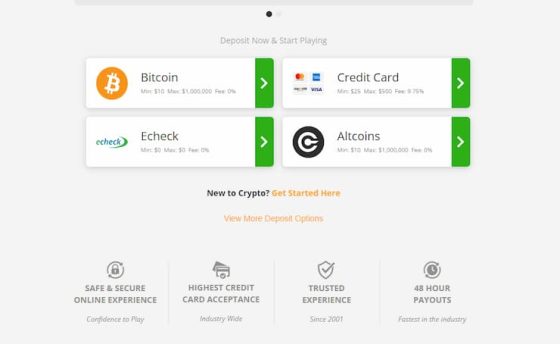
Funding limits and restrictions on certain payment methods are common tools. Operators might cap or prohibit anonymous payment options that money launderers favour. Instead, they recommend traceable methods. Withdrawals are a major control point. Winnings usually go back only to the original payment method used to deposit, a rule called “same method, same account.”
This creates a clear, auditable trail. If you deposit £50 using a Visa card to play Book of Ra Deluxe and win £500, that £500 returns to the same Visa account. This simple rule stops criminals from using a casino to change where money comes from or goes. It also protects players from fraud, guaranteeing their winnings won’t be sent to some unknown account.
Origin of Funds (SOF) Checks
Beyond checking identity, operators have a rising duty to verify where a customer’s money originates. This is important most for high-stakes players or those showing unusual deposit habits. A source of funds check asks the customer to prove their gambling money comes from a proper place, like a job, savings, investments, or a property sale.
This goes deeper than standard KYC. It can require players to provide recent bank statements, payslips, tax returns, or proof an asset was sold. The operator’s compliance team then judges if the evidence sufficiently explains the amounts being deposited and played on games, Book of Ra Deluxe included.
This measure hits at the heart of money laundering: the need to make dirty cash look clean. By demanding a paper trail for gambling funds, it becomes almost impossible to pump large sums of criminal money into the system without fabricating complicated documents. For legitimate players, it might be an occasional request, but it acts as a strong block against criminal use of gaming sites.
Staff Training and Operational Safeguards
Good AML compliance requires human judgment as well as software. The UKGC demands all relevant staff to get regular, recorded training on AML rules and how to apply them. This covers customer support agents, payment processors, and even marketing teams, since anyone might spot a warning sign.
Training makes sure staff can recognize red flags, know how to escalate a worry, and see their part in the bigger compliance picture. A sharp agent might catch something an algorithm overlooks, like a customer giving dodgy answers about their Book of Ra Deluxe session.
Throughout the company, operators must name a Money Laundering Reporting Officer, or MLRO. This person holds overall responsibility for the firm’s AML compliance, takes internal reports of suspicious activity, and decides finally on filing SARs with the NCA. This clear line of accountability means policies are not just on paper but actively managed and enforced.
The role of gaming studios and software
While the casino operator holds the main AML responsibility, game providers like Novomatic, the maker of Book of Ra Deluxe, also take a part. They must ensure their games and software comply with the operator’s compliance needs. This means providing clean transaction logs and game history data that operators can employ for monitoring and reporting.
The game’s design should allow for player protection tools, like reality checks and custom limits, which support responsible gambling. That concept is connected to AML. Also, providers themselves often undergo due diligence from operators and regulators, to confirm their own businesses are clean and transparent.
In short, a slot like Book of Ra Deluxe arrives inside a secure technological wrapper. The provider makes sure the game’s code is fair and its data output is reliable. This allows the operator to carry out its regulatory job. Teamwork across the supply chain renders the whole gaming experience more solid.
Challenges and ongoing evolution
Financial crime never pauses, so AML measures cannot either. Criminals devise new methods, and regulators and operators have to adapt. One constant challenge is achieving the right balance between strong security and a good user experience. Checks that feel too nosy can annoy honest players, while weak controls open up holes.
Another challenge stems from digital currencies and new payment tech. The UKGC has updated its guidance to address these innovations, requiring operators to use the same risk-based approach. The core ideas of identification, monitoring, and reporting stay. But applying them must suit new financial products.
The industry’s answer requires steady investment in smarter analytics, machine learning, and sharing information. The target is to create controls more efficient and focused, putting resources on truly high-risk activity while letting the vast majority of players play Book of Ra Deluxe without unnecessary hassle.
Effect on the Player Experience
For players, these measures manifest in particular ways during our gaming time. Knowing about them shapes why certain steps exist. They do introduce a layer of process, but their final result is a protected, more dependable space where we can concentrate on the game itself.
- Account Sign-Up: The process requires more data than in unregulated markets, requiring accurate personal info from the outset.
- Verification Holds: Withdrawals could be paused until identity and payment method checks are fully done. This is a standard security step, not a reflection on the individual.
- Documentation Requests: Being required to submit a photo ID or proof of address is common on a UK-licensed site, particularly before your first cashout.
- Transaction Policies: The rule about withdrawing back to your deposit method can reduce flexibility, but it provides crucial security and a unambiguous audit trail.
These points are not annoyances. They are signs of a regulated market. They indicate the platform takes security, fairness, and its legal duties seriously. That should provide us more assurance when we deposit funds and play a game like Book of Ra Deluxe. We understand the environment is vigorously guarded against misuse.
Conclusion: A Secure Framework for Gaming
The anti-money laundering measures around Book of Ra Deluxe in the UK form a thorough, multi-layered protection. From the moment a player joins, through every deposit, spin, and withdrawal, a process of verification, monitoring, and notification is operational. This system, driven by the UK Gambling Commission, changes a gaming platform from a simple entertainment spot into a secured financial entity.
These rules exist to safeguard the game’s fairness, protect the financial infrastructure, and look after legitimate users. By deterring and identifying criminal activity, they ensure the thrill of discovering ancient riches in Book of Ra Deluxe is pure enjoyment. It rests on a commitment to security and regulatory excellence that marks the UK’s online gambling landscape.
