

The Ultimate Guide to Forex Trading Systems
In the fast-paced world of Forex, the key to consistent profitability lies in developing a robust trading system. A Forex trading system is essentially a set of rules and guidelines that traders follow to enter and exit positions in the currency market. Whether you’re a beginner or an experienced trader, understanding and creating a solid trading system is fundamental to your success. Discover invaluable insights here at forex trading system Trading Broker Global that can guide you on your Forex journey.
Understanding Forex Trading Systems
Forex trading systems are often mistaken for trading strategies, but they serve different purposes. While a trading strategy defines the plan for making trades, a trading system is the complete set of rules, including how to manage risk, the criteria for entering and exiting trades, and how to analyze results over time. Essentially, it acts like a roadmap, giving you clear directions as you navigate the complexities of trading.
Key Components of a Forex Trading System
1. Trading Strategy
Your trading strategy is the foundation of your trading system. It should comprise technical and/or fundamental analysis. Technical analysis involves studying price charts and using indicators, while fundamental analysis looks at economic news and data releases that may impact currency values. Determine whether you prefer to analyze trends, ranges, or other patterns in the market.
2. Risk Management
Risk management is crucial in Forex trading. A good system should outline how much capital you are willing to risk on each trade. Most seasoned traders recommend risking no more than 1-2% of your total trading capital on any single trade. This way, even a series of losing trades won’t dramatically impact your overall portfolio.
3. Trade Execution Rules
Your system should state clear criteria for entering and exiting trades. This includes specific price levels and market conditions under which you will make your moves. Using limit orders and stop-loss orders can also help automate parts of your trading process, ensuring you stick to your rules even under emotional pressure.
4. Performance Tracking
To refine your trading system, you need to track your performance over time. This involves keeping a trading journal where you record your trades, the reasoning behind each decision, and the outcome. Analyzing this information allows you to identify patterns, improve your decision-making, and ultimately enhance your trading system.
Popular Forex Trading Systems
There is no one-size-fits-all Forex trading system, as each trader’s preferences and risk tolerance vary greatly. However, here are a few popular systems that have gained traction among traders:
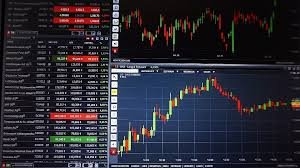
1. Trend Following
This system involves identifying and trading in the direction of the prevailing trend. Traders often use tools like Moving Averages and the Average Directional Index (ADX) to identify trends and their strength. Once a trend is identified, the trader enters buy or sell positions accordingly.
2. Range Trading
Range trading is based on the concept that prices often move within set ranges over time. Traders using this system look for support and resistance levels to determine entry and exit points, buying near the lower boundary and selling near the upper boundary of the range.
3. Breakout Trading
In breakout trading, traders aim to capitalize on price movements when the market breaks out of a defined range. This can happen after a period of consolidation, and traders often use volume and volatility indicators to confirm breakouts before entering trades.
Tips for Building Your Forex Trading System
Creating a successful Forex trading system requires careful consideration and planning. Here are some tips to get you started:
1. Define Your Goals
Before developing your trading system, be clear about your financial goals. Consider how much time you can dedicate to trading, your target profit levels, and your risk tolerance. Clearly defined goals will guide your strategy and system development.
2. Start Simple
As a beginner, it’s wise to start with a simple trading system. Focus on a few key indicators and a straightforward strategy. Once you gain experience and confidence, you can gradually introduce more complexity into your trading approach.
3. Test Your System
Before trading with real money, backtest your system using historical market data. This will help you assess its viability and understand potential performance under various market conditions. Consider using a demo account to practice without risking your capital.
4. Stay Informed
The Forex market is influenced by global events, and staying informed is critical. Keep abreast of economic news, geopolitical developments, and changes in monetary policy that could impact currency values. Make it a habit to read reputable financial news sources and reports.
5. Keep Emotions in Check
Emotional trading can lead to poor decision-making. Stick to your trading plan and avoid making impulsive decisions based on market fluctuations. Establishing a clear trading routine and adhering to your strategy can help mitigate emotional trades.
Conclusion
In conclusion, an effective Forex trading system is essential for anyone looking to thrive in the currency markets. By understanding the various components, testing different strategies, and continually refining your approach, you can increase your chances of success. Remember that patience and discipline are vital traits of successful traders, so stay focused and committed to your system as you navigate the dynamic world of Forex trading.
